Clip, Stream, Repeat: How a New Wave of Content Creators Is Selling Gen Z on a 20-Year-Old MMO
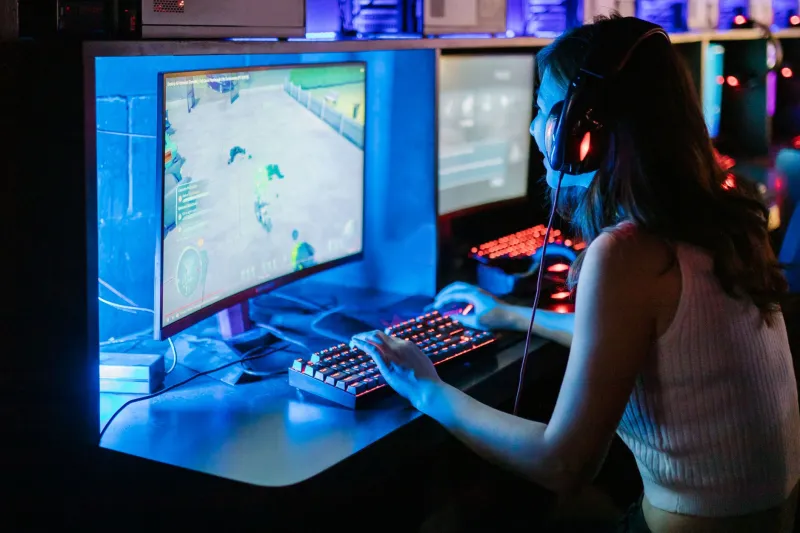
Lineage 2 launched in 2003. That means the game is older than TikTok, older than YouTube, older than the concept of a "content creator" as a career path. It was built for a time when 56k modems were still in active rotation and the idea of watching someone else play a video game for entertainment would have sounded completely insane.
So why are clips from L2 private servers showing up in the feeds of teenagers who were literally born after the game came out?
The answer, it turns out, has almost nothing to do with the game itself — and everything to do with a handful of streamers who figured out how to make the L2 experience into personality-driven content that hits differently than anything the modern MMO landscape is producing.
The Streaming Hook Nobody Expected
If you were going to pitch Lineage 2 as streaming content to a network executive in 2024, you'd probably get laughed out of the room. The game is notoriously slow. The grind is punishing in ways that make even World of Warcraft's classic version look casual. The UI looks like it was designed by someone who genuinely hated UI designers. And yet.
The creators who are finding traction with L2 content have identified something that more polished, modern MMOs can't easily replicate: authentic stakes. When you spend 40 hours grinding a character to a meaningful level and then get jumped by a PK crew and lose gear you've been farming for a week, that reaction is real. The rage, the negotiation, the grudge that follows — none of it is manufactured for the camera. It's just what L2 does to people.
"The game creates drama naturally," says one rising L2 streamer who's been building an audience on Twitch over the past year. "I don't have to set anything up. I just have to be logged in and something is going to happen that's genuinely worth reacting to."
That authenticity is increasingly rare in gaming content, where many top streamers are essentially performing reactions to games specifically designed to produce content-friendly moments. L2's chaos is organic, and organic reads differently on camera.
What's Actually Working on Camera
Not all L2 content is created equal, and the creators who are breaking through to new audiences have gotten pretty precise about what formats work. A few patterns show up consistently.
PvP and PK content dominates. The open-world PvP system in L2 — where killing another player turns you red and makes you a target — produces constant conflict that's immediately legible even to viewers who have no idea what the game is. You don't need to understand the mechanics to understand that someone just got destroyed and is furious about it.
Clan war narratives play like reality TV. Some of the most-shared L2 content right now is structured like episodic storytelling — "we declared war on the server's top clan, here's day one" — with regular updates that give audiences a reason to come back. The long-form nature of L2's power structures means these arcs can sustain viewer interest for weeks.
New player runs hit nostalgia and discovery simultaneously. Streamers doing fresh-start runs on classic or low-rate servers pull in two audiences at once: veterans watching for nostalgia and newcomers genuinely curious about what the early game looks like. The contrast between a streamer's confusion and a veteran viewer's expertise creates its own dynamic in chat.
The Gen Z Angle: Why It's Connecting
Here's where it gets genuinely interesting. The viewers showing up for L2 content aren't all crusty veterans who played during the Chronicle era. A meaningful chunk of the audience coming in through Twitch clips and YouTube Shorts has no prior relationship with the game at all.
Part of this is the broader retro gaming trend that's been running through Gen Z culture for a few years now — the same impulse that's driving interest in old-school RuneScape, vanilla WoW servers, and pre-streaming-era game aesthetics. There's a specific appeal to games that feel earned rather than designed to minimize friction at every step.
But there's also something happening at the content layer specifically. The L2 streamers who are finding Gen Z audiences tend to have high-energy, heavily edited short-form clips that function as entry points — someone finds a 60-second clip of a massive castle siege or a spectacular PK revenge sequence, gets curious, and ends up on a two-hour VOD. The funnel is working in ways it didn't when L2 content was primarily long, unedited streams for an existing fanbase.
The Conversion Problem
Here's the honest part of the conversation that most content creators will tell you off-stream: getting someone to watch L2 content and getting someone to actually play L2 are very different propositions.
The same qualities that make the game compelling to watch — the brutal grind, the punishing PvP, the steep learning curve — are significant barriers to entry for someone coming in cold. Modern gamers are accustomed to games that onboard them gently. L2 does not do that. It drops you in a world that will absolutely eat you alive if you don't have a clan, a guide, or a genuinely high tolerance for frustration.
Retention numbers on newly converted players are, by most accounts, pretty rough. "I get people joining our Discord every week because they saw a clip and want to try the game," one content creator noted. "Maybe one in ten is still playing a month later. But that one person becomes a real community member, and those are the people who matter."
That's not necessarily a failure condition. Even low conversion rates can meaningfully grow a community if the top-of-funnel volume is high enough. And the players who do stick around after going through the L2 onboarding gauntlet tend to be exactly the kind of engaged, invested community members that private servers need.
What This Means for the L2 Ecosystem
The streaming resurgence isn't saving Lineage 2 in any grand sense — the population dynamics that drive server merges and ghost towns aren't going to be reversed by Twitch clips alone. But it's doing something arguably more valuable: it's keeping the game culturally visible in a moment when it could easily have faded into pure nostalgia.
For server operators, the lesson is pretty clear. Supporting content creators — through early access, dedicated server resources, or just active engagement — is one of the most cost-effective marketing plays available. For clans, having a streamer in your ranks has become a genuine recruitment and visibility tool.
And for the game itself? Twenty years in, it turns out the most compelling thing about L2 isn't the graphics or the progression system or the lore. It's the stories it generates. Those stories translate to content. And content, in 2024, is how games stay alive.